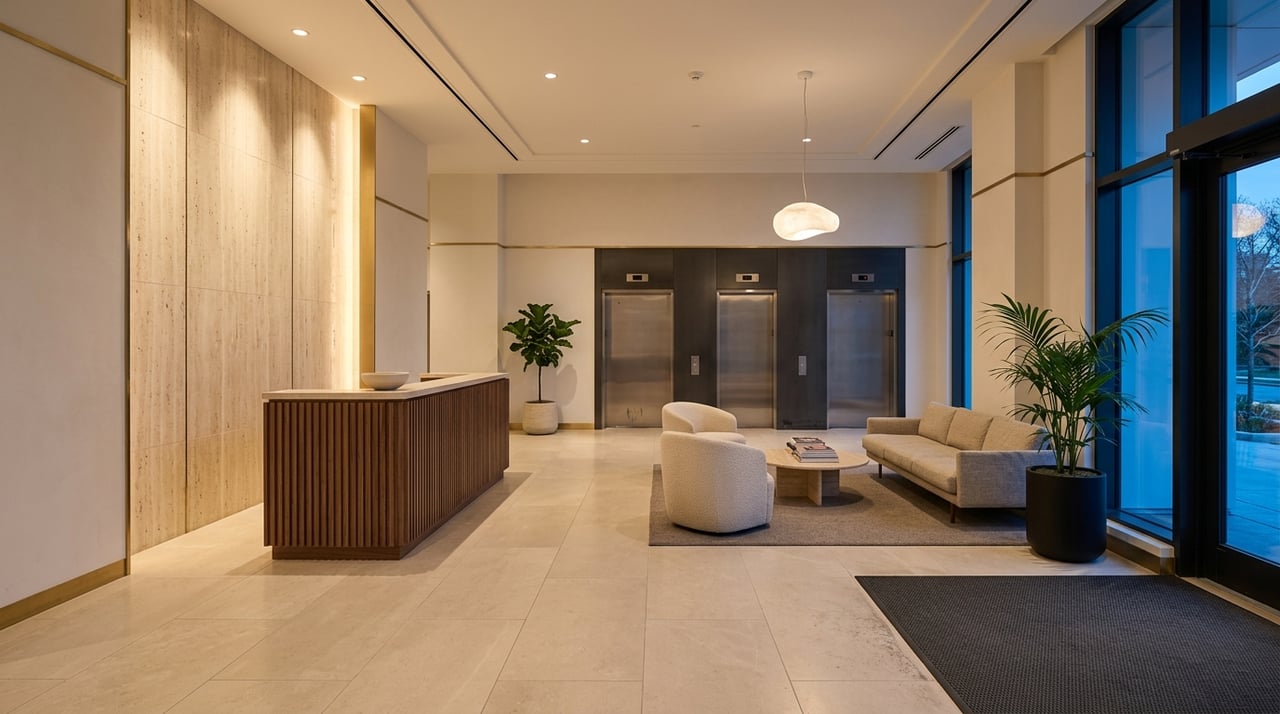
Choosing a condo in West Hollywood often comes down to a surprisingly personal question: do you want more privacy, or more built-in convenience? In a compact city where both intimate buildings and amenity-rich developments are part of the local housing mix, that choice can shape how your home feels every single day. If you are weighing a boutique condo against a full-service building, this guide will help you compare lifestyle, costs, and due diligence so you can make a more confident decision. Let’s dive in.
Why This Choice Matters in West Hollywood
West Hollywood is a small but dense city with a housing stock shaped by multi-family living. The city reports that 64% of residents live in apartments, and four out of five housing units are in large multi-family buildings. That means condo buyers here are not just choosing a floor plan or view, but also a building experience.
West Hollywood’s planning framework also supports a range of housing types. The city uses increased density to encourage new housing, and the Sunset Specific Plan allows expanded development in certain target areas. In practical terms, that helps explain why you can find both quieter, smaller condo buildings and larger developments with more services and amenities.
What Boutique and Full-Service Mean
Boutique condo definition
In common market use, a boutique building is usually smaller in scale, often with fewer than 30 residences. These buildings tend to offer fewer shared spaces and a more private, less crowded atmosphere. The appeal is often a sense of discretion, lighter foot traffic, and a more individualized feel.
For many buyers, boutique living feels more edited and intimate. You may share the lobby, elevator, and common areas with far fewer neighbors, which can create a calmer daily rhythm. In a design-conscious market like West Hollywood, smaller buildings can also appeal to buyers drawn to distinctive architecture and a stronger sense of identity.
Full-service condo definition
A full-service building typically includes more staffing and a broader amenity package. That may mean doorman service, concierge support, maintenance personnel, visitor management, package handling, lounges, outdoor common areas, pools, or other shared spaces.
The draw is ease. If you want more support built into everyday life, full-service buildings often offer a smoother experience around deliveries, guests, and maintenance coordination. The tradeoff is usually a busier building environment and more shared activity in common spaces.
Important legal context in California
These labels are descriptive, not legal ownership categories. In California, buyers may encounter condo or other common-interest structures that can appear similar from the street, even if they operate differently behind the scenes. That is why the building’s documents, budget, and HOA structure matter more than the marketing label alone.
Privacy vs Convenience
When boutique living fits better
If you value discretion, fewer neighbors, and a quieter building culture, boutique inventory may be the better place to start. Smaller buildings generally have less foot traffic and fewer people sharing the same common spaces. That can create a more low-key home environment, which many West Hollywood buyers find appealing.
Boutique buildings can also suit design-focused buyers who want something with more personality. Smaller scale can sometimes translate to a more distinct architectural point of view and a less anonymous feel. If you want your residence to feel more curated than corporate, that difference can matter.
When full-service living fits better
If your priority is convenience, a full-service building may be the stronger fit. Staffing can help simplify package handling, guest access, maintenance coordination, and other day-to-day logistics. For buyers who travel often, own a second home, or simply want less friction in daily life, that support can be a major advantage.
Full-service buildings also tend to work well for buyers who enjoy shared amenities and a more active common environment. If you host often or want features like lounges, outdoor gathering areas, or a pool, the fuller amenity package may align better with how you actually live.
HOA Dues Need Context
One of the biggest misconceptions in condo shopping is that boutique always means less expensive to own, or that full-service always means overpriced. In reality, California HOAs must levy assessments sufficient to perform their obligations, and annual budget materials must disclose reserves, reserve funding plans, insurance summaries, and whether special assessments may be needed.
That means dues should be judged by what they cover, not by the building label. A smaller building may have fewer amenities, but fixed costs are spread across fewer owners. A larger full-service building may spread costs across more residences, but staffing and amenities can raise operating expenses.
A simple way to compare dues
When you review monthly HOA dues, look beyond the number itself and ask:
- What services are included?
- What amenities are included?
- How strong are the reserves?
- Has the building relied on special assessments?
- Does the insurance summary reflect any potential gaps you may need to plan for?
A higher monthly due is not automatically a negative if it supports a well-run building with meaningful services and healthy reserve planning. Likewise, lower dues are not always a bargain if they point to underfunding or deferred costs.
What California Buyers Should Review
In California, condo sellers must provide a substantial set of documents before closing. These materials are especially important when comparing boutique and full-service buildings because they reveal how the property actually operates, not just how it is presented.
Key documents to request and review
Before you move forward, review:
- Governing documents
- The most recent annual budget materials
- Current assessment and fee information
- Unresolved violation notices
- Rental restrictions, if any
- Recent board minutes, if requested
- The latest inspection report
For condo projects, the annual budget report also discloses FHA and VA approval status. If you may use one of those loan programs, that detail can directly affect your options.
Reserve studies matter in both building types
California law requires qualifying associations to inspect major components as part of the reserve study process at least once every three years. The reserve funding plan must also show how future reserve needs are expected to be funded. This matters whether you are buying in a six-unit boutique building or a larger full-service development.
Reserve strength can tell you a great deal about the building’s long-term sustainability. It may also help you understand the likelihood of future assessment pressure, especially since California law limits when a board can impose a regular assessment increase above 20% or special assessments above 5% of budgeted gross expenses without member approval.
Insurance details deserve a closer look
Buyers should also review insurance details carefully. The HOA insurance summary is useful, but it does not replace the actual policy. Depending on the building and coverage structure, you may still need separate protection for interior property and deductibles.
This is one area where careful review can prevent surprises later. A polished lobby or attractive amenity package does not tell you how the insurance structure works, so it is worth looking at the paperwork with care.
Which West Hollywood Buyer Fits Each Option?
Boutique condo buyer profile
Boutique buildings often suit buyers who prioritize privacy, discretion, and a quieter daily experience. If you prefer fewer shared spaces, less anonymous traffic, and a more intimate building culture, this format may feel more natural. In West Hollywood, that can be especially appealing if you want a residence that feels edited, calm, and design-forward.
Creative professionals and design-minded buyers often respond to this format as well. Smaller buildings can offer a stronger sense of character and a more personal relationship to the property itself.
Full-service condo buyer profile
Full-service buildings often fit buyers who want support built into the ownership experience. Frequent travelers, second-home owners, and buyers who prefer smoother day-to-day logistics often lean this way because staffing can simplify deliveries, maintenance coordination, and guest management.
This format can also work well if you regularly host visitors or enjoy a more amenity-driven lifestyle. If your ideal home includes both lock-and-leave convenience and shared features that extend your living space, a full-service building may make more sense.
How to Choose With Confidence
The best choice is usually the one that matches your real habits, not your aspirational ones. If you love the idea of concierge support but rarely use amenities, a boutique building may deliver better long-term satisfaction. If you say you want privacy but travel often and prefer a hands-off ownership experience, full-service may be the more practical answer.
As you compare options in West Hollywood, focus on three things:
- Your preferred daily rhythm
- The building’s actual HOA structure and financial health
- Whether the level of privacy and service feels sustainable over time
In a market with both intimate residences and larger amenity-driven buildings, there is no universal winner. There is only the building type that fits how you want to live.
If you are weighing boutique versus full-service condos in West Hollywood, a nuanced review of the building, documents, and lifestyle fit can make all the difference. For tailored guidance on identifying the right residence and evaluating the details that matter most, connect with Andrea Alberts.
FAQs
What is a boutique condo building in West Hollywood?
- A boutique condo building usually refers to a smaller-scale property, often with fewer than 30 residences, fewer shared spaces, and a more private feel.
What is a full-service condo building in West Hollywood?
- A full-service condo building typically offers more staffing, such as concierge or maintenance personnel, along with a broader amenity program and more built-in daily convenience.
Are boutique condos cheaper than full-service condos in California?
- Not always. Smaller buildings may spread fixed costs across fewer owners, while larger full-service buildings may have higher operating costs because staffing and amenities cost money.
What HOA documents should California condo buyers review?
- California condo buyers should review governing documents, annual budget materials, assessment and fee information, unresolved violation notices, rental restrictions if any, board minutes on request, and the latest inspection report.
Why do reserve studies matter when buying a West Hollywood condo?
- Reserve studies help show how the HOA plans for future major repairs and replacements, which can affect financial stability and the risk of future assessments.
How do you decide between boutique and full-service condo living?
- Start with how you actually live. If you value privacy and a quieter building culture, boutique may fit better. If you want convenience, staffing, and amenities, full-service may be the stronger match.