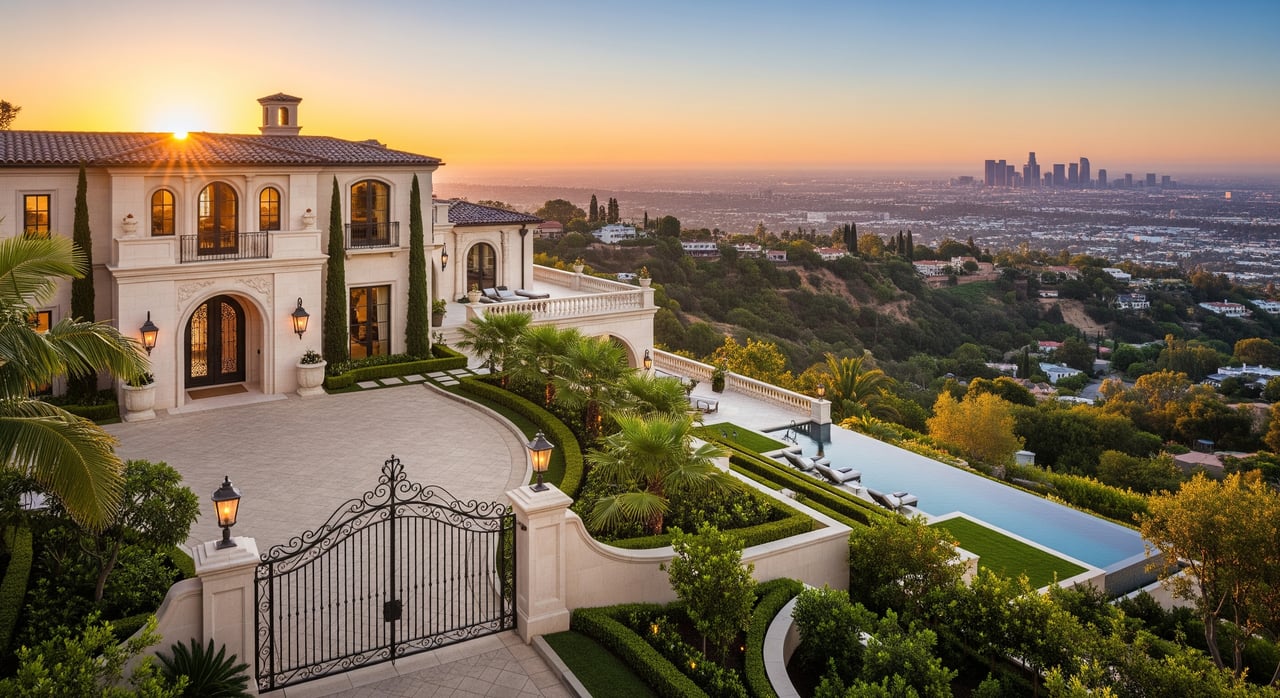
Are you preparing to bring a Beverly Hills trophy property to market in Q1 and wondering how to price it without losing momentum? You’re not alone. Pricing at the top of the market is nuanced, and small missteps can cost time and leverage. In this guide, you’ll learn a clear, evidence-based approach to valuation, launch timing, and international distribution designed for ultra-luxury sellers. Let’s dive in.
Q1 timing in Beverly Hills
Q1 is often a strong window for high-end listings. Many buyers complete year-end planning, return from holidays with clarity, and make relocation decisions for the upcoming school and business cycles. International interest can rise after winter holidays and Chinese New Year. To capitalize, use late Q4 and early Q1 to finalize marketing assets, your provenance dossier, and targeted broker outreach.
Define your price range
Your goal is to set an initial price that meets buyer expectations, creates urgency, and avoids quick cuts. Because ultra-luxury comps are sparse and varied, build a defensible price range rather than a single number. Present three tiers: conservative, market-case, and optimistic. Support each with comp adjustments and qualitative factors like privacy, views, and architectural pedigree.
Value drivers to document
At the top end, price per square foot tells only part of the story. Buyers weigh liveability, land, and provenance just as much as interior area. Focus on:
- Provenance and pedigree: celebrity or architect history, documented press, and trophy status.
- Lot and topography: usable flat areas, privacy buffers, and development potential.
- Privacy and security: secured entries, distance to neighbors, and landscape screening.
- Views: city, canyon, or ocean view corridors and sightline quality.
- Improvements and systems: custom craftsmanship, imported materials, theater, wine vault, and smart tech with permits and invoices.
- Amenities: guest house, staff quarters, pool and pavilion, tennis courts, and specialty spaces.
- Legal items: view or conservation easements, historic designations, entitlements, or active litigation.
Each factor can shift the valuation band. The stronger your documentation, the easier it is for buyers to understand your price.
Choosing meaningful comps
Traditional comps can mislead when inventory is thin and each estate is unique. Expand your comp set to include trophy sales in Beverly Hills and adjacent enclaves like Holmby Hills, Bel Air, and Beverly Crest. If needed, look farther back in time and adjust for market movement. Use paired sales when available to gauge premiums for major upgrades.
Prioritize adjustments for time, land and scale, privacy and views, and any confirmed provenance-related premiums. When exact quantitative matches are scarce, use ranges and explain your logic in a clear, concise comp memo.
Build a provenance dossier
Ultra-luxury buyers and their advisors expect thorough documentation. Create a complete dossier before launch so you can move fast when a qualified buyer appears. Include:
- Title history, chain of ownership, and certificate of occupancy.
- Architect plans, specifications, permits, and inspection reports.
- Contractor invoices, warranties, and restoration notes.
- Environmental, seismic, roof, pool, and termite reports.
- Historical press, design features, and provenance notes.
- Professional photography, aerials, 3D tour, and a cinematic walk-through.
High-quality visuals help remote and international buyers pre-qualify, which shortens time to serious offers.
Price and threshold strategy
Round-number thresholds, like 5, 10, and 20 million, shape how buyers filter and perceive listings. Two common tactics are pricing just below a threshold to capture more filtered searches, or pricing right on the threshold to signal trophy positioning. There is no single rule. Test your hypothesis with trusted local brokers and plan to monitor digital interest and showing quality during the first two weeks.
Launch plan: first 60 days
A staged approach protects momentum and creates a sense of discovery:
- Weeks 1 to 2 pre-launch: hold private previews for top brokers and vetted buyers. Refine messaging and confirm interest drivers.
- Public launch: coordinate maximum exposure across luxury channels, private broker events, and global distribution through established networks.
- First 30 days: track qualified showings, quality of feedback, and requests for private viewings. Focus on the substance of inquiries rather than raw view counts.
Avoid early price changes unless feedback clearly points to a material gap or market conditions shift.
Reading DOM and feedback
Days on market can be uneven at the top of the market. Off-market windows, privacy needs, and buyer timelines can extend DOM without hurting results. Instead, watch time to contract and the ratio of showings to offers. A listing that is shown actively and receives substantive offers within 30 to 90 days is generally on track.
If showings are limited and serious offers are absent after roughly 45 to 75 days, re-evaluate your price band, narrative, and distribution.
When to adjust strategy
Define clear triggers before you launch. If activity is weak despite outreach, feedback cites price barriers, or the market shifts, choose one decisive move:
- Make a measured price adjustment rather than multiple small cuts.
- Refresh marketing with new imagery and a revised narrative that highlights provenance and lifestyle.
- Relaunch to international audiences or pivot to a more exclusive sale process to create scarcity.
Pair any price change with new creative to reset perception and protect negotiating leverage.
International reach and logistics
Ultra-luxury interest often comes from domestic and international UHNW buyers, family offices, and advisors. Tailor your marketing to a global audience with:
- Localized landing pages and brochures, simple currency examples, and a clear overview of the LA closing process for foreign buyers.
- High-quality video and 3D tours to help distant buyers pre-screen.
- Lead tracking by country and broker affiliation to prioritize follow-up.
Expect enhanced documentation for large cross-border purchases. Many international buyers pay cash, though some seek financing through US or foreign banks with longer lead times.
Privacy, security, confidentiality
Protecting privacy is essential in Beverly Hills. Limit public address details until buyers are vetted. Schedule private tours with security coordination and use confidentiality agreements for showings. Off-market or invitation-only previews can help control the narrative while still reaching qualified prospects.
For sellers who are non-US residents, ensure early coordination on FIRPTA and tax withholdings with escrow and advisors. Use title and escrow teams seasoned in high-value, international transactions.
KPIs to track weekly
Your dashboard should balance quantitative and qualitative indicators:
- Number of qualified showings and preview attendance.
- Quality of broker inquiries and buyer feedback.
- Serious offers, including price band and contingencies.
- Listing analytics: views, saves, inquiries, and international traffic.
- Time from first showing to first substantive offer.
- Source attribution: domestic versus international engagement.
These measures show momentum and help you decide when to hold firm or shift strategy.
Suggested Q1 timeline
Use this high-level plan as a starting point and tailor to your property:
- Pre-Q1, December to early January: finalize the dossier, complete photography and video, set your agent team, and build buyer and broker lists.
- Early Q1, January: host private previews and test messaging and pricing in controlled settings.
- Mid Q1, late January to February: go public and monitor core metrics weekly.
- 30 to 60 days post-launch: if needed, make one thoughtful change, such as a price adjustment or international relaunch with new assets.
- 60 to 120 days: if still no offers, consider repositioning with an off-market process or a clear price realignment that fits your tax and estate planning calendar.
Avoiding overpricing
Overpricing shrinks your buyer pool and can lead to the stale listing effect. Protect value by anchoring within a well-supported range, staging a deliberate launch, and tracking high-quality showings instead of chasing views. If momentum stalls, move once with conviction rather than several small steps. Keep your dossier, reports, and marketing fresh to support firm, confident negotiations.
Why work with a boutique Beverly Hills expert
At this level, presentation and distribution are everything. You want editorial-caliber visuals, a compelling provenance story, and access to the right global buyer pool. You also want measured, discreet guidance through complex logistics, from international outreach to documentation and security.
A boutique, high-touch approach combined with established global channels is designed for this moment. If you are considering a Q1 launch, start now by aligning valuation, creative, and outreach so your first impression creates urgency and confidence.
Ready to price with precision, protect momentum, and reach qualified buyers worldwide? Connect with Andrea Alberts to map your Q1 strategy.
FAQs
What makes Q1 a strong time to list ultra-luxury in Beverly Hills?
- Buyers return from holidays with clear plans, international interest often rises after winter holidays, and a staged pre-launch lets you capture early momentum.
How should I set my initial ultra-luxury price?
- Build a conservative, market, and optimistic range, then anchor where buyer feedback and comps support urgency without inviting quick cuts.
Do price-per-square-foot metrics work at the top end?
- Not reliably, since land, privacy, views, and pedigree can outweigh interior area; use broader adjustments and qualitative evidence.
What documents should I prepare before listing a trophy property?
- Title and permits, plans and specifications, contractor invoices and warranties, inspections and environmental reports, and a complete visual package.
How long should I wait before considering a price change?
- If qualified showings are thin and no serious offers appear after roughly 45 to 75 days, reassess pricing, narrative, and distribution.
How do international buyers affect my launch strategy?
- Plan for global marketing assets, remote tour options, and experienced escrow and title support to handle documentation, funds flow, and timelines.
How can I protect privacy during showings and marketing?
- Limit public details until buyers are vetted, use confidentiality agreements, coordinate security, and consider off-market or invitation-only previews.