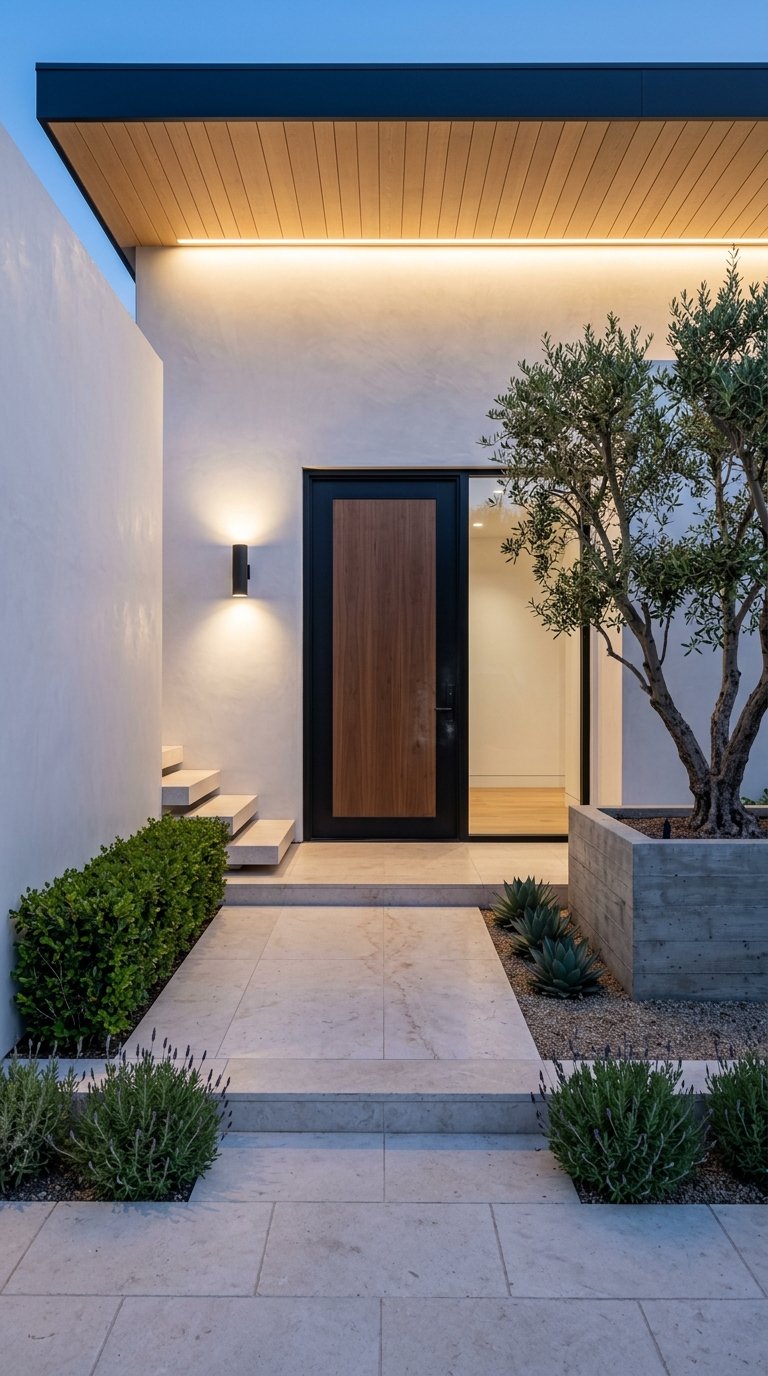
If your ideal neighborhood starts with strong architecture, walkable streets, and a daily routine shaped by beauty, West Hollywood deserves a closer look. This is a place where design is not limited to a few stylish storefronts. It shows up in the buildings, the public spaces, and the rhythm of everyday life. If you want to understand what it actually feels like to live here, this guide will walk you through the style, scale, and lifestyle that make West Hollywood especially appealing to design-minded buyers. Let’s dive in.
Why West Hollywood Appeals to Design Lovers
West Hollywood stands out because design is part of the city’s identity, not just a visual extra. In the southwest corner of the city, the West Hollywood Design District brings together more than 200 storefronts, and local visitor resources describe more than 250 establishments across galleries, studios, shops, restaurants, and cafes.
That concentration shapes the atmosphere in a very real way. You are not just visiting a stylish block here and there. You are moving through a compact area where interiors, façades, landscaping, and public spaces all feel considered.
Design District Daily Life
For many residents, daily life in West Hollywood can feel visually curated without becoming impractical. The city is just 1.9 square miles, and Visit West Hollywood notes a Walk Score of 91, which supports a lifestyle where errands, coffee, browsing, and dinner can happen within a short radius.
That ease of movement matters. When you can walk between a café, a showroom, a gallery, and a restaurant, design becomes part of your routine rather than something you seek out on special occasions.
A Neighborhood Built for Browsing
The Pacific Design Center is the district’s anchor. Its campus includes more than 80 showrooms and 2,200 manufacturers and product lines across 1.6 million square feet, making it one of the clearest symbols of West Hollywood’s design culture.
Even if you are not furnishing a full home, that presence influences the neighborhood. It brings a professional design audience, supports related businesses, and reinforces the area’s reputation for taste, materiality, and visual refinement.
Coffee, Culture, and Evening Plans
West Hollywood’s Design District also supports a lifestyle where leisure and routine blend together. Local visitor materials highlight polished stops like Alfred Coffee, Community Goods, and Cecconi’s, which helps paint a clear picture of how a day here can unfold.
You might start with coffee, spend part of the afternoon visiting galleries or showrooms, walk a tree-lined stretch of the neighborhood, and end with dinner in a carefully designed setting. In West Hollywood, that kind of sequence feels natural.
Architecture Shapes the Mood
West Hollywood’s appeal is not only about what is inside the shops. The built environment gives the area much of its character. Local history and architecture resources point to a mix of 1920s apartment houses, Spanish Colonial and French Colonial Revival buildings, mid-century examples, and modernist landmarks.
That mix creates a layered visual experience. Instead of feeling uniform, West Hollywood feels collected over time, with older architectural forms sitting beside later creative reinvention.
Historic Character Still Matters
One of the most important references for design-minded readers is the Schindler House. The MAK Center describes it as a pioneering modern residence that integrated indoor and outdoor space and began as an experiment in communal living.
That legacy still matters because it helps explain why West Hollywood attracts people who pay attention to proportion, flow, and architectural intent. This is a city where modern design history is part of the local conversation.
Neighborhood Texture Over Sameness
West Hollywood rewards people who notice details. The city’s planning framework connects housing, urban design, mobility, arts, events, and public space, which helps the neighborhood feel composed rather than accidental.
That is a big part of the local charm. You are not simply choosing a home. You are choosing a setting where block scale, street design, and architecture all work together.
Walkability Adds Real Lifestyle Value
For buyers who want a more connected day-to-day experience, West Hollywood offers a strong case for car-light living. City planning materials emphasize pedestrian and bicycle comfort, including widened sidewalks, double rows of street trees, public art, and added crosswalks.
These features may sound technical on paper, but they shape how a neighborhood feels. They make everyday movement more pleasant, more intuitive, and more visually engaging.
Santa Monica Boulevard Feels Intentional
The Santa Monica Boulevard Streetscape Master Plan focused on improved aesthetics and pedestrian orientation while still supporting traffic flow. The city also notes that Santa Monica Boulevard was recognized by the American Planning Association as a Great Street.
For residents, that translates into something simple but important. Major corridors do not just move cars through the city. They also help support the experience of walking through it.
Smaller Streets Add Balance
West Hollywood also offers a more intimate side. City planning materials describe Norma Triangle as a small residential neighborhood with one- and two-story buildings, narrow tree-lined streets, and close proximity to local shops, bars, and restaurants.
That contrast is part of what makes the city interesting. You can move between active commercial areas and quieter residential blocks without losing the sense of connection.
Homes With Character and Adaptation
If you are drawn to homes with history and design potential, West Hollywood offers a distinct housing story. According to the city’s housing page, about 93% of the city’s housing stock is at least 30 years old, and the Housing Element prioritizes preserving and diversifying that stock.
That helps explain why so much of West Hollywood feels layered and renovated rather than entirely new. The local housing identity is shaped by preservation, remodeling, and context-sensitive updates.
Older Housing, Stronger Identity
In practical terms, that means buyers often encounter homes where character plays a major role. Rather than one dominant housing type, the city reflects a mix of older buildings, smaller-scale homes, and thoughtful updates that respond to neighborhood context.
For a design-minded buyer, this can be especially appealing. Homes with original architectural cues, good proportions, and room for careful refinement often offer more personality than newer, more uniform construction.
Interiors That Support a Collected Life
West Hollywood’s housing and design culture suggest a strong fit for buyers who care about interiors as much as location. Older housing stock, preservation-minded planning, the influence of the Design District, and the architectural significance of places like the Schindler House all support a lifestyle centered on art, furnishings, and thoughtful space planning.
In other words, West Hollywood tends to suit people who want a home that can hold a point of view. It is a market where finish, scale, and atmosphere often matter just as much as square footage.
Where Design Feels Most Visible
If you are trying to picture the most design-forward parts of West Hollywood, the Design District is the clearest starting point. It combines retail, dining, showrooms, and cultural energy in a compact area that is easy to explore on foot.
Beyond that, architecture-rich residential blocks add another layer to the experience. The city’s architecture resources and planning documents make it clear that some of West Hollywood’s strongest appeal comes from the relationship between its older buildings, walkable streets, and carefully shaped public realm.
Design Is More Than Décor
What makes West Hollywood stand out is that design is not treated as decoration alone. It shows up in housing preservation, street design, arts programming, and neighborhood planning.
That combination gives the city unusual coherence. For buyers with a sharp eye, West Hollywood offers more than beautiful spaces. It offers a lifestyle where aesthetics and everyday function reinforce each other.
If you are exploring West Hollywood with design, architecture, and daily livability in mind, the right guidance can help you narrow in on the blocks, buildings, and opportunities that best fit your point of view. For tailored insight and discreet representation across West Hollywood and the Westside, connect with Andrea Alberts.
FAQs
What makes West Hollywood appealing for design lovers?
- West Hollywood combines a major design district, notable architecture, arts programming, and walkable streets, so design influences both the look of the neighborhood and daily life.
What is the West Hollywood Design District known for?
- The West Hollywood Design District is known for its concentration of more than 200 storefronts and more than 250 design-related establishments, including galleries, studios, shops, restaurants, and cafes.
Can you live in West Hollywood without relying heavily on a car?
- West Hollywood can support a car-light lifestyle because the city is compact, has a Walk Score of 91, and includes planning features like widened sidewalks, street trees, crosswalks, and pedestrian-oriented streetscapes.
What types of homes are common in West Hollywood?
- West Hollywood has a large share of older housing, with the city reporting that about 93% of its housing stock is at least 30 years old, which contributes to a market shaped by preservation, remodeling, and character-rich homes.
Which part of West Hollywood feels most design-forward?
- The Design District is the most design-forward area highlighted in the research, with the Pacific Design Center, showrooms, galleries, cafés, and restaurants all contributing to a strong design-focused atmosphere.
Why do West Hollywood homes feel so distinctive?
- West Hollywood homes often feel distinctive because the city blends older architecture, preservation-minded planning, human-scale streets, and context-sensitive updates rather than relying on one uniform style.