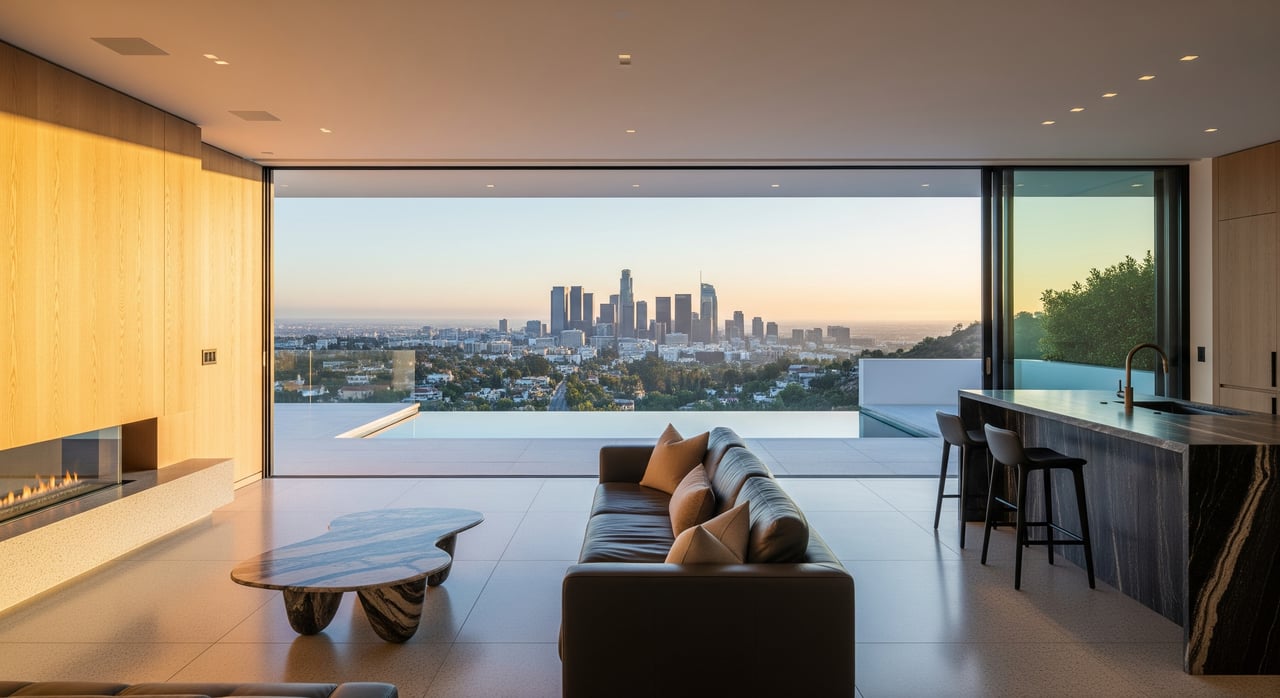
Thinking about a home in West Hollywood? You are likely picturing walkable streets, gallery openings, and design showrooms at your doorstep. If you love great spaces and a vibrant cultural life, choosing the right pocket in this compact city can elevate your daily routine. In this guide, you will learn how each corridor feels, where design resources cluster, what nightlife means for noise and parking, and how housing types align with your lifestyle. Let’s dive in.
West Hollywood at a glance
West Hollywood is a small, independent city with a dense, mixed-use core and a strong design and nightlife identity. For boundaries, zoning, permits, and city services, rely on the City’s official resources on the City of West Hollywood site. Because the city is compact, micro-differences matter block by block, especially for noise, parking, and building types.
Here is a quick feel for key areas many shoppers consider:
- Sunset Strip and Sunset Boulevard corridor. Entertainment, hotels, and late-night energy define this stretch. Buildings tend to be mid-rise, walkable to venues, and can be lively at night.
- Melrose, La Cienega, and the Design District. A hub for design showrooms, boutiques, and curated retail. Condos and townhomes nearby suit buyers who value interior design access.
- Santa Monica Boulevard, West Hollywood West, and Norma Triangle. Dense residential blocks with cafes, smaller condos, bungalow courts, and mid-century buildings. Walkable and centrally located.
- West Hollywood South near Beverly Hills. More single-family homes and upscale residential pockets with added privacy and tree canopy.
- West Hollywood East toward Fairfax corridors. A mix of apartments and mixed-use buildings that often attract younger buyers and renters.
Tip: Spend time on the exact block, day and night. Noise levels and parking ease can change within a few hundred feet.
Design district and showroom culture
If interior design is a priority, West Hollywood is unusually well equipped. The Pacific Design Center is a regional anchor for premium showrooms, trade resources, and design events. Explore current showrooms and programming on the Pacific Design Center site. Along Melrose, La Cienega, and Robertson, you will find independent boutiques, vintage dealers, and small galleries that keep the neighborhood’s aesthetic sharp.
What this means for your home search:
- Design-first living. Condos or townhomes near the Design District make it easy to source materials, meet designers, and coordinate deliveries.
- Faster remodel logistics. Proximity to showrooms can reduce lead times and simplify installation scheduling.
- Community and events. Some showrooms host talks, openings, and launches, which add to a social design calendar.
For visitor guides and current neighborhood highlights, check Visit West Hollywood.
Galleries and a connected arts scene
West Hollywood supports a mix of contemporary galleries and design-forward spaces, especially along La Cienega and Melrose. Gallery nights and coordinated openings create walkable evenings for collectors. Major museums such as LACMA, The Broad, and MOCA are a short drive away, which broadens your cultural options beyond city limits.
To track openings, fairs, and art coverage citywide, follow the LA arts beat through reputable media like the Los Angeles Times arts section. If you want easy access to openings, consider homes one or two blocks from the primary corridors to balance walkability with quieter evenings.
Dining, nightlife, and weekly rhythms
Dining concentrates along Melrose, La Cienega, Robertson, and Santa Monica Boulevard, with frequent waves of chef-driven concepts and international flavors. For fresh, curated lists, consult trusted food media like Eater LA.
Nightlife clusters in two main zones:
- Sunset Strip. Live music, late-night venues, and hotel bars draw crowds, which elevates evening energy and traffic.
- Santa Monica Boulevard. A historic LGBTQ+ nightlife core with bars and lounges that anchor community events.
Practical impacts on living:
- Noise tolerance. If your schedule favors earlier nights, look for homes one or two blocks off the main corridors.
- Parking and guests. Visitor parking tightens during peak nights. The City enforces permits, so make sure you understand local rules via the City of West Hollywood.
- Event cadence. Farmers markets, Pride-related programming, and design events shape the weekly rhythm. Check city calendars before you buy to understand typical patterns.
Walkability, transit, and parking
West Hollywood scores high on walkability compared to greater LA. Many daily needs sit within a short walk of the core corridors. To compare individual blocks, use Walk Score to review walk, transit, and bike ratings.
Transit and mobility notes:
- Rail and buses. There is no heavy-rail station inside city limits, so you will connect by bus, rideshare, or a short drive to nearby Metro rail hubs. Explore routes and schedules on Metro.
- Car ownership. Many buyers still rely on a car for cross-town trips. Prioritize assigned or deeded parking in buildings if you expect frequent driving.
- Deliveries and loading. For furniture or remodel materials, favor buildings with garage access or loading zones to keep logistics smooth.
Parking rules vary by block, and resident permits are common. Always verify current policies on the City of West Hollywood site and review any building’s guest parking options before you submit an offer.
Housing types that fit your lifestyle
Because West Hollywood is small yet dense, property types cluster by corridor. Here is how they typically map to lifestyle goals:
- Mid-rise boutique condos. Near Melrose, La Cienega, and central corridors. Strong for buyers who want walkability, dining access, and minimal exterior maintenance.
- Luxury high-rise condos. Amenitized living with concierge-style services along major corridors. Good if you prioritize security, on-site staffing, and controlled access.
- Historic bungalows and small multifamily. Often in Norma Triangle and quieter blocks. Character-rich, sometimes with limited parking, so confirm storage and driveway details.
- Single-family homes. More common in residential pockets near Beverly Hills, offering privacy and yard space within a short reach of WeHo amenities.
- Modern townhomes. Increasingly available through infill redevelopment. Low-maintenance, contemporary layouts, and often attached garages.
Financial and regulatory notes to consider:
- HOA fees and services. Many condos have substantial monthly fees. Confirm what is included, such as security, parking, utilities, and reserves.
- Short-term rentals. The city regulates short-term rentals with registration and periodic restrictions. Review the latest municipal code and guidance through the City of West Hollywood before planning any rental use.
- Historic and permitting. Older buildings may sit within preservation overlays. Always confirm permitted scope for renovations with city planning.
How to choose your ideal pocket
Use this quick process to match your daily life with the right street and building style:
- Define your vibe. Decide if you want to be in the heart of the action or a half-block removed for quieter nights.
- Test walkability. Walk from a prospective address to your favorite corridors at both midday and late evening.
- Check noise and parking. Visit on a weekend night to gauge foot traffic and guest parking pressure.
- Map your logistics. Confirm assigned parking, storage, loading access, and elevator capacity if you plan frequent deliveries.
- Align property type. Choose the building style that fits your design and maintenance goals, whether boutique condo, full-service high-rise, or single-family home.
A design-led approach to your search
If you respond to artful spaces, you will feel at home in West Hollywood’s design culture. A design-led search can save time and avoid costly surprises by focusing on block-level lifestyle fits, building logistics, and the right finish potential. With a background in fashion and beauty photography and a practice centered on editorial-quality presentation, Andrea guides buyers through a curated short list, sharp visuals, and measured negotiation.
Ready to find your fit in West Hollywood? Reach out to Andrea Alberts for discreet, concierge-level buyer representation backed by Sotheby’s global reach.
FAQs
What makes West Hollywood walkable for home shoppers?
- Many daily needs sit along Melrose, Santa Monica Boulevard, La Cienega, and Robertson, and tools like Walk Score help you compare block-by-block convenience.
How does parking work for residents and guests?
- Resident permits are common and evening demand can spike near nightlife, so review current policies and options on the City of West Hollywood site and confirm building-specific guest parking.
Where are design showrooms and how do they operate?
- The Design District spans Melrose and La Cienega, with the Pacific Design Center as a major hub; some showrooms are trade-only or appointment-based, so check access in advance.
Is West Hollywood good for art lovers and collectors?
- Yes, galleries cluster near La Cienega and Melrose and major museums are a short drive away, with event coverage available through sources like the Los Angeles Times arts section.
What home types are most common in West Hollywood?
- You will find mid-rise and high-rise condos near primary corridors, historic bungalows and small multifamily on quieter streets, modern townhomes through infill, and select single-family pockets near Beverly Hills.
Can I use a West Hollywood property for short-term rentals?
- Short-term rentals are regulated and require compliance with city rules, so review the latest guidance on the City of West Hollywood before making plans.